Climbing is one of the most exhilarating outdoor activities, but it also comes with inherent risks. Whether scaling indoor walls, tackling rugged mountain routes, or navigating technical rock faces, climbers rely on protective equipment to safeguard their lives. The evolution of climbing gear has made the sport significantly safer, offering advanced materials, improved engineering, and enhanced reliability. Understanding the essential protective tools, and how they function, helps climbers make informed decisions that support both safety and performance.
Harnesses: The Foundation of Climber Safety
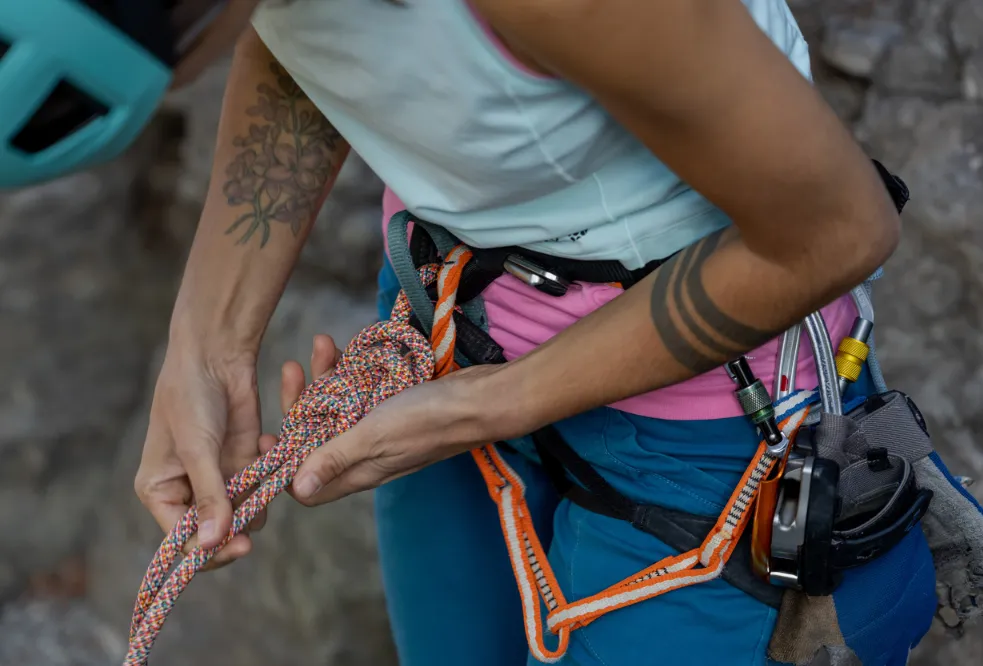
A climbing harness is the core piece of protective equipment, designed to distribute force evenly across the body during a fall. Modern harnesses feature padded waist belts, adjustable leg loops, and reinforced tie‑in points that withstand significant stress. Lightweight materials and ergonomic designs allow climbers to move freely while maintaining security. Whether used for sport climbing, trad climbing, or mountaineering, a well‑fitted harness is non‑negotiable. It serves as the anchor point for ropes, belay devices, and other essential tools.
Helmets: Critical Protection Against Impact
Climbing helmets protect against falling rocks, gear, and accidental head impacts. Today’s helmets are engineered with durable outer shells and shock‑absorbing foam interiors that disperse force effectively. Ventilation systems keep climbers cool, while adjustable straps ensure a secure fit. Helmets are especially important in outdoor environments where loose rock or unpredictable terrain increases the risk of injury. Even experienced climbers rely on helmets as a vital layer of protection that can prevent life‑threatening accidents.
Ropes and Belay Devices: The Lifeline of Every Climber
Dynamic climbing ropes are designed to stretch under load, reducing the impact force during a fall. Their construction, typically a strong core protected by a woven sheath, ensures durability and flexibility. Belay devices work in tandem with ropes to control descent and arrest falls. Assisted‑braking devices add an extra layer of security by automatically engaging when sudden force is applied. These tools require proper training and practice, but when used correctly, they form one of the most reliable safety systems in climbing.
Carabiners and Protection Devices
Carabiners are essential connectors that link ropes, harnesses, and protective gear. Locking carabiners provide added security by preventing accidental gate openings. Protection devices, such as cams, nuts, and bolts, anchor the rope to the rock, creating a safety system that catches falls and stabilizes movement. These tools are engineered with precision, using high‑strength metals and innovative designs to withstand extreme forces. Many climbers build their gear collections gradually, often starting with versatile pieces of adventure gear that support a wide range of climbing styles.
Footwear and Gloves for Stability and Grip
Climbing shoes are designed to enhance grip and precision. Their snug fit and specialized rubber soles allow climbers to stand on small holds and maintain control on steep surfaces. Gloves, while optional in some climbing disciplines, provide protection during belaying, rappelling, and crack climbing. They reduce friction, prevent rope burns, and improve handling of equipment. Together, footwear and gloves contribute to a climber’s overall stability and safety.
Conclusion
Protective climbing equipment is essential for reducing risk and enhancing performance. From harnesses and helmets to ropes and carabiners, each piece plays a critical role in keeping climbers safe. Investing in high‑quality gear and learning proper techniques ensures that every climb is both secure and rewarding.