
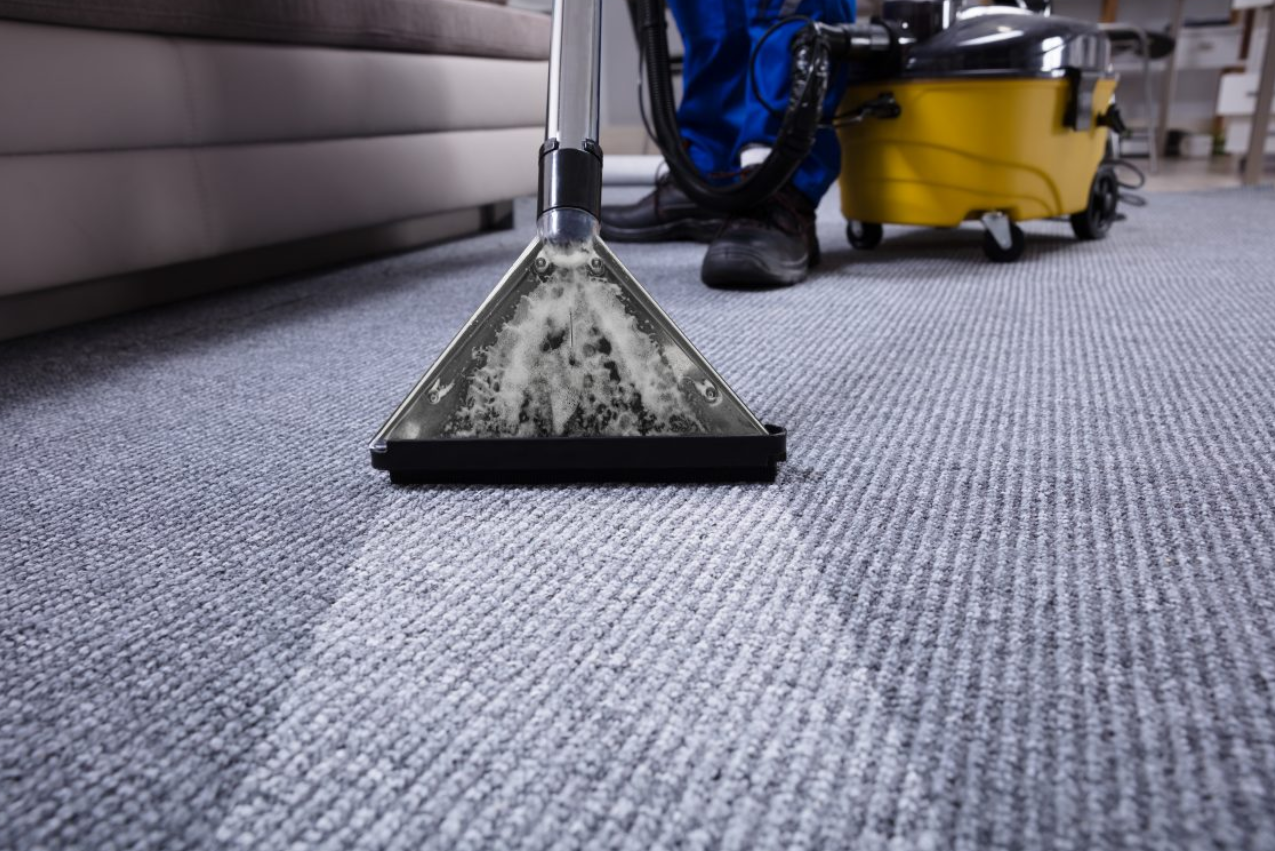
Wet carpet might not seem like a crisis, but the clock starts ticking the moment water hits those fibers. Emergency carpet drying is considered urgent for good reason, because carpets are basically massive sponges that hold moisture against underlayment, padding, and subfloors, creating perfect conditions for mold growth and structural damage. Industry research shows that mold can start colonizing within 24 to 48 hours in wet carpet environments, and once it establishes, you’re looking at health risks and potentially needing to rip everything out anyway. The water doesn’t just sit on the surface either. It wicks through carpet fibers, saturates padding (which can hold several times its weight in water), and seeps into the subfloor beneath. What starts as a few millimeters of water on the surface becomes a moisture problem that penetrates 20 or 30 millimeters deep into building materials.
The 24-Hour Critical Window
There’s basically a golden period after water exposure where you can still save carpets and avoid major problems. Within the first 24 hours, if you extract water quickly and start proper drying, most carpets can be restored without replacement. After 48 hours, your odds drop significantly. After 72 hours, you’re usually looking at disposal, especially if the water was contaminated. This timeline is backed by microbiology research showing bacterial and mold growth rates in wet organic materials. Carpet fibers, padding, and the dust/organic matter trapped in carpets create an ideal growth medium when wet. Emergency services respond within hours specifically because this window is so narrow. They’re not just drying carpet; they’re racing against biological contamination that makes carpets unsalvageable and potentially hazardous.
Water Migration Through Carpet Systems
When water hits carpet, it doesn’t stay put. It spreads horizontally through the carpet face and backing, then vertically into the padding. Synthetic pads can absorb water equal to several times their dry weight, while natural fiber pads like felt absorb even more. From there, water contacts the subfloor, which might be concrete, particleboard, or timber. Each material responds differently. Concrete stays relatively stable but traps moisture for weeks without proper drying. Particleboard swells and deteriorates rapidly, often requiring replacement. Timber can warp, cup, or develop rot if moisture persists. Studies on moisture movement in building assemblies show that wet carpet acts as a constant moisture source, maintaining high humidity at the subfloor interface even when surface areas feel dry to touch.
Extraction Versus Surface Drying
Just running fans over wet carpet doesn’t cut it. You need extraction first, meaning you physically remove the water from the carpet and pad before drying can be effective. Professional extractors use vacuum systems that pull water from deep within carpet piles and padding, removing 80% to 95% of water present. After extraction, technicians often lift carpets from tack strips to access and dry padding separately, or they might determine that padding needs complete replacement (which is common). Air movers are then positioned to create airflow across and under carpets, working with dehumidifiers to pull moisture from the air. Research shows this combined approach reduces drying time from days to hours in many cases and prevents the kind of prolonged dampness that leads to mold.
Health Risks and Contamination Levels
Not all water is equal when it comes to carpet damage. Clean water from a supply line is Category 1 and generally salvageable if dried quickly. Water from dishwashers, washing machines, or toilet overflow (urine only) is Category 2 and requires sanitization during drying. Sewage backups or flooding from outside sources is Category 3, and most restoration standards recommend complete carpet disposal for this contamination level. The health risks come from bacteria, viruses, and mold that thrive in wet carpets. Studies link damp indoor environments to increased respiratory issues, allergies, and asthma exacerbation, particularly in children. Emergency drying addresses this by removing the moisture that supports these biological hazards before they become established, protecting both the property and occupants’ health.