
I spent years wondering if something was actually wrong with me before finally booking an ADHD assessment in Penrith. Walking into that first appointment felt like stepping into unknown territory. Would they think I was making it up? Would the tests be hard? Would they find something else entirely? Turns out, the evaluation process is way more straightforward than my anxiety built it up to be. Understanding exactly what happens during each step helps take away that nervous feeling. I’m going to walk you through the entire evaluation from start to finish so you know what to expect and can show up feeling prepared instead of scared.
The Pre-Assessment Paperwork Phase
Before you even sit down with a specialist, there’s paperwork. Lots of it. Most clinics send intake forms ahead of time asking about your personal history, symptoms, and why you’re seeking evaluation.
These forms ask surprisingly detailed questions. When did you first notice concentration problems? How do symptoms affect your work? Your relationships? Your daily tasks? I spent two hours filling mine out because I wanted to be thorough.
Some forms include symptom checklists where you rate how often you experience specific behaviors. Things like “I have difficulty waiting my turn” or “I lose things necessary for tasks.” Rate yourself honestly. There are no right or wrong answers. They’re just gathering baseline information.
The First Meeting and Rapport Building
Your first session starts with your specialist explaining what the evaluation involves and answering your questions. This isn’t the hardcore testing yet. It’s more like an extended conversation.
My psychologist spent the first 20 minutes just talking about what brought me in. No formal questions, just letting me explain in my own words what I’ve been struggling with. That actually helped me relax.
They’re assessing you during this conversation even though it feels casual. How you tell your story, the examples you give, your body language – all of it provides clinical information. But don’t overthink it. Just be yourself.
Detailed Childhood History Exploration
This part surprised me. We spent almost an hour talking about my childhood. What was I like as a kid? Did teachers say I was disruptive or daydreamy? Could I sit through movies? Did I finish homework?
ADHD is a developmental condition, meaning it starts in childhood. Adults seeking diagnosis need evidence of childhood symptoms even if they weren’t recognized at the time. Your memories matter here.
I called my mom before my assessment to ask what I was like as a kid. Her stories about me never sitting still and constantly losing school supplies provided valuable information I’d forgotten about.
Current Symptom Deep Dive
After childhood, the focus shifts to your current life. Your specialist will ask detailed questions about how you function now in different situations.
Work or school: Can you meet deadlines? Do you get distracted easily? How’s your time management? Are tasks that require sustained mental effort particularly challenging?
Home life: Do you lose your keys constantly? Forget appointments? Start projects and never finish them? How’s your organization? Your ability to plan?
Relationships: Do you interrupt people? Have trouble listening? Say things impulsively you later regret?
I found this section really validating because I’d normalized so many of these struggles. Hearing them described as actual symptoms rather than personal failings hit different.
The Questionnaire Battery
You’ll complete several standardized questionnaires during or between sessions. These aren’t like school tests. There are no right answers. They measure symptom frequency and severity.
The Conners’ Adult ADHD Rating Scale asks you to rate behaviors on a scale from “not at all” to “very much.” Questions like “I have difficulty sustaining my attention during boring or repetitive work.”
The Brown Attention-Deficit Disorder Scale focuses more on executive function issues like activation, focus, effort, emotion, memory, and action.
I completed about five different questionnaires. Some overlapped in content but measured things slightly differently. The redundancy helps ensure accurate results.
Observer Rating Scales
Most comprehensive evaluations include questionnaires for someone who knows you well. Your spouse, parent, or close friend can provide outside perspective on your symptoms.
This part made me nervous. What if my wife’s answers contradicted mine? What if she didn’t see me as struggling?
Turns out her responses matched mine closely and added details I hadn’t even considered. She noticed patterns I’d become blind to. Having that external validation strengthened my diagnosis.
Cognitive Testing Components
Depending on your specialist’s approach, you might complete computerized attention tests. These measure things like sustained attention, impulsivity, and reaction time consistency.
The test I took showed a series of letters on screen. I pressed a button for every letter except X. Sounds simple. After 15 minutes of this, my attention was shot. My reaction times got slower and more inconsistent. That variability is typical for ADHD.
Some evaluations include broader neuropsychological testing assessing memory, processing speed, and executive function. These tests help identify cognitive patterns associated with ADHD.
Differential Diagnosis Consideration
Good specialists don’t just look for ADHD. They actively consider other possible explanations for your symptoms.
Depression and anxiety both cause concentration problems. Sleep disorders create fatigue that looks like inattention. Thyroid issues affect energy and focus. Learning disabilities can mimic ADHD.
My psychologist asked specifically about mood, sleep, stress levels, and physical health. She wanted to make sure we weren’t missing something else that explained my symptoms better.
Medical History Review
Your specialist will ask about medical conditions, medications, substance use, and family history. All of this matters for accurate diagnosis.
Certain medications cause attention problems as side effects. Substance use can mimic or mask ADHD symptoms. Family history is relevant because ADHD has strong genetic components. If your parent has ADHD, you’re much more likely to have it too.
I needed to get recent blood work from my GP checking thyroid function and vitamin levels before my psychologist would finalize diagnosis. Those tests came back normal, confirming ADHD was the best explanation for my symptoms.
The Mental Status Examination
During your conversations, your specialist conducts something called a mental status examination. They’re observing your appearance, behavior, speech, mood, thought process, insight, and judgment.
This sounds clinical but it just means they’re noting things like: Does your mind jump from topic to topic? Do you fidget? Is your speech rapid? Are you distressed?
I didn’t realize this was happening during my assessment until I read my report afterward. My psychologist noted I demonstrated “psychomotor restlessness, rapidly shifting between topics with tangential thought processes.” Translation: I couldn’t sit still and my mind jumped around. Classic ADHD.
Functional Impairment Assessment
Having ADHD symptoms isn’t enough for diagnosis. Those symptoms must cause significant impairment in multiple areas of life. Your specialist will specifically ask how ADHD affects you.
Have you lost jobs because of attention problems? Struggled in school? Had relationship problems due to forgetfulness or impulsivity? Avoided tasks requiring sustained mental effort?
The impairment piece matters because lots of people have some ADHD-like traits occasionally. Diagnosis requires that these symptoms consistently interfere with your ability to function effectively.
The Waiting Period
After completing all testing and interviews, there’s usually a gap while your specialist reviews everything and writes their report. This took about two weeks for me.
That waiting period was hard. I kept second-guessing whether I’d get diagnosed. What if they said nothing was wrong? What if they found something scarier than ADHD?
My advice is to stay busy during this time and avoid overthinking. The process is designed to catch whatever is actually happening with you. Trust it.
The Feedback Session
You’ll schedule a follow-up appointment where your specialist discusses their findings. This is where you learn your diagnosis.
My psychologist started by explaining what the testing showed, then clearly stated I met criteria for ADHD, combined presentation, moderate severity. Hearing that official diagnosis brought immediate tears. All those years of struggling finally made sense.
She walked through my specific symptom profile, explaining which ADHD symptoms were most prominent for me and how they compared to others with ADHD. That personalized feedback helped me understand my particular version of ADHD.
Understanding Your Diagnosis
If you receive an ADHD diagnosis, your specialist will explain what type you have. There are three presentations:
Predominantly Inattentive: Mostly concentration and focus issues. Less hyperactivity and impulsivity.
Predominantly Hyperactive-Impulsive: Mostly restlessness and impulsive behaviors. Less inattention.
Combined: Significant symptoms from both categories. This is what I have and it’s the most common type.
The severity rating (mild, moderate, severe) reflects how much your symptoms impair your functioning. This helps guide treatment planning.
Treatment Recommendations Discussion
The evaluation shouldn’t end with just a diagnosis. Your specialist should discuss treatment options tailored to your specific presentation and needs.
Medication is often recommended for moderate to severe ADHD. Your specialist will explain medication types, how they work, potential benefits and side effects, and next steps for starting medication.
Psychotherapy, particularly cognitive behavioral therapy adapted for ADHD, helps develop coping strategies and address secondary issues like low self-esteem or anxiety.
Lifestyle modifications around sleep, exercise, diet, and organizational systems complement other treatments.
Next Steps and Referrals
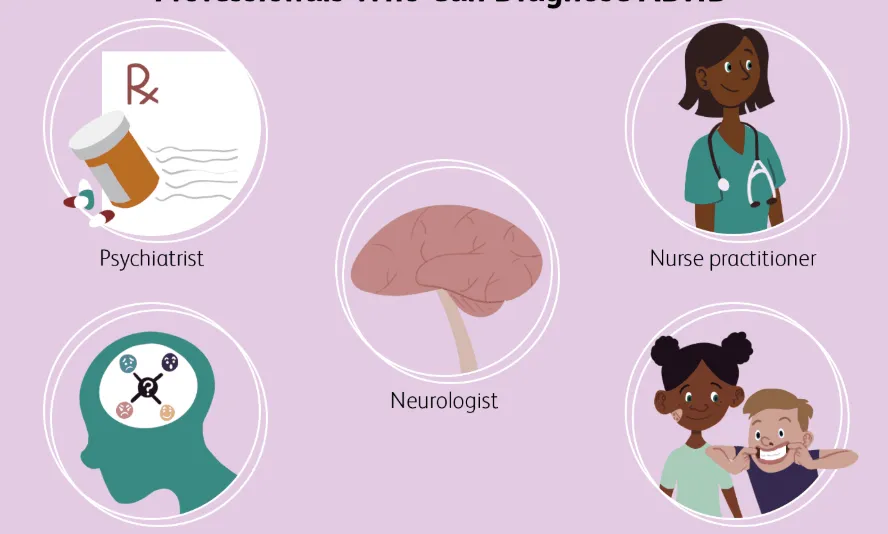
If you were assessed by a psychologist, they’ll likely refer you to a psychiatrist or GP for medication management. They’ll provide a detailed report supporting the diagnosis.
If you saw a psychiatrist, they can prescribe medication immediately if appropriate. They might also recommend therapy and provide referrals to psychologists specializing in ADHD.
My psychologist gave me a list of local psychiatrists accepting new patients and explained what to say when calling them. That practical help made the next steps less overwhelming.
Receiving Your Written Report
Within a few weeks, you’ll receive a comprehensive written report. This document is valuable for several reasons beyond just confirming your diagnosis.
You’ll need it when seeing new doctors, applying for disability accommodations at work or school, or accessing certain support services. I’ve referred to mine multiple times.
The report typically includes your background information, testing results, clinical observations, diagnosis with supporting evidence, and detailed treatment recommendations. Mine was 14 pages long.
What If You Don’t Get Diagnosed?
Not everyone seeking ADHD evaluation gets diagnosed with ADHD. If testing reveals your symptoms don’t meet diagnostic criteria or are better explained by something else, that’s still valuable information.
Maybe you have anxiety that’s affecting concentration. Maybe it’s sleep apnea. Maybe it’s burnout. Whatever it is, identifying the actual problem lets you get appropriate treatment.
My friend went through evaluation convinced she had ADHD. Turns out she had moderate depression causing concentration problems. Getting the right diagnosis meant she got treatment that actually helped.
How Long the Entire Process Takes
From first appointment to final diagnosis, expect 4-8 weeks typically. This includes:
Initial intake and history session: 1-2 hours Cognitive testing: 1-2 hours Questionnaires and observer reports: 1-2 weeks Report preparation: 1-2 weeks Feedback session: 1 hour
Some specialists condense this into fewer, longer sessions. Others spread it out more. Ask about timeline when booking.
Making the Most of Your Evaluation
Come prepared with notes about your symptoms and how they affect you. Concrete examples help specialists understand your experience better than vague statements.
Be completely honest. This isn’t a test to pass or fail. Downplaying symptoms because you’re worried about being dramatic only hurts you. Be specific about struggles.
Ask questions throughout. If you don’t understand what a test measures or why they’re asking something, ask. Good specialists want you informed and comfortable.
Bring support if you need it. Having someone with you for the feedback session can help because you might feel overwhelmed hearing your diagnosis.
After the Evaluation
Getting evaluated was just the beginning of my ADHD journey, not the end. Diagnosis opened doors to treatment that’s genuinely improved my life.
I’m not magically cured. ADHD is chronic. But with medication and therapy, I function so much better. Simple tasks don’t feel impossible anymore. I can actually focus on conversations. I remember appointments.
If you’re considering evaluation, don’t put it off like I did for years. Understanding what’s really happening with your brain is worth the time and cost. You deserve to know and you deserve help.