
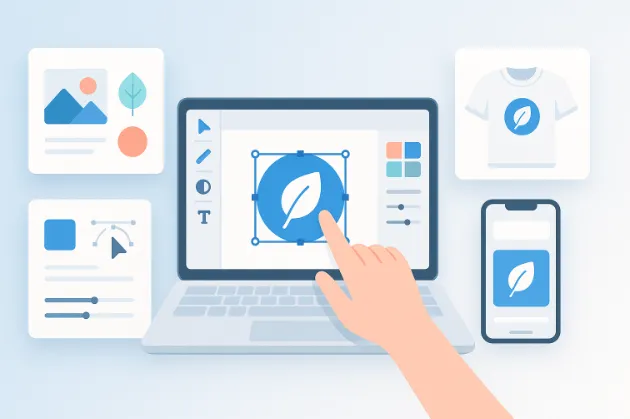
Your brand is more than a product or a service—it’s an experience, a promise, and a perception wrapped into a single identity. Long before customers read your website copy or see your product in action, they notice your visuals. In many ways, your logo serves as the first impression, silently communicating who you are and what you stand for.
In today’s fast-paced digital environment, getting this right can feel daunting. That’s why tools like the AI logo generator have become game-changers. They allow businesses, freelancers, and creators to design professional logos quickly, bridging the gap between vision and execution while keeping quality intact.
Why Logos Are More Than Just Graphics
A logo isn’t just an image—it’s the foundation of your visual identity. It signals trust, communicates tone, and sets expectations. Whether it’s the bold simplicity of a tech startup or the playful curves of a creative brand, logos speak to audiences long before words do.
Consistent logos create recognition. When your audience sees the same symbol across social media, packaging, and marketing materials, they form a sense of familiarity. Familiarity builds credibility, which is especially important for new brands trying to establish themselves in competitive spaces.
Common Branding Pitfalls
Many small businesses and creators make the same mistakes when it comes to logos:
- Overcomplicating the design: Trying to include too many messages can result in clutter.
- Ignoring scalability: A logo that looks good on a desktop may fail on mobile or printed materials.
- Inconsistency across platforms: Different colors, fonts, or layouts confuse the audience.
- Delaying the process: Waiting for “perfect” design can stall brand growth.
A clear, simple, and consistent logo addresses these issues while strengthening your brand foundation.
How a Well-Designed Logo Supports Growth
A professional logo influences perception in subtle but powerful ways. Consider an online store: a cohesive logo on the website, product packaging, and social media makes the business feel trustworthy and polished. Customers are more likely to engage, share, and return—sometimes even subconsciously associating reliability with the visual identity.
Even for solo creators or freelancers, a logo signals professionalism. It makes proposals look refined and marketing content feel deliberate. Over time, the logo becomes a recognizable symbol, making it easier for audiences to remember your brand and connect emotionally.
Practical Tips for Creating a Logo That Works
Here are some actionable strategies to ensure your logo delivers impact:
- Simplicity is key: A clean design is easier to recognize and scale.
- Choose colors thoughtfully: Colors should align with brand personality and audience expectations.
- Think long-term: Avoid trends that might feel outdated quickly.
- Test across mediums: Ensure it works on screens, print, and small social icons.
- Maintain consistency: Apply the logo the same way everywhere to reinforce recognition.
These steps help you build a logo that not only looks professional but supports your growth strategy.
Branding as a Long-Term Asset
Your logo is an investment, not a one-off design. Over time, its repetition builds recognition, trust, and authority. A consistent visual identity strengthens every interaction—emails, social posts, ads, and customer experiences—making your brand feel established even in competitive markets.
Conclusion: Start With a Strong Foundation
A well-thought-out logo lays the groundwork for your entire brand. It doesn’t need to convey every detail or feature—it needs to feel right, be recognizable, and align with your brand values. Starting with clarity and consistency ensures your audience sees a brand that is professional, reliable, and memorable.
Invest in your logo. Let it speak for your brand. And watch how a simple symbol can create long-lasting impact.