
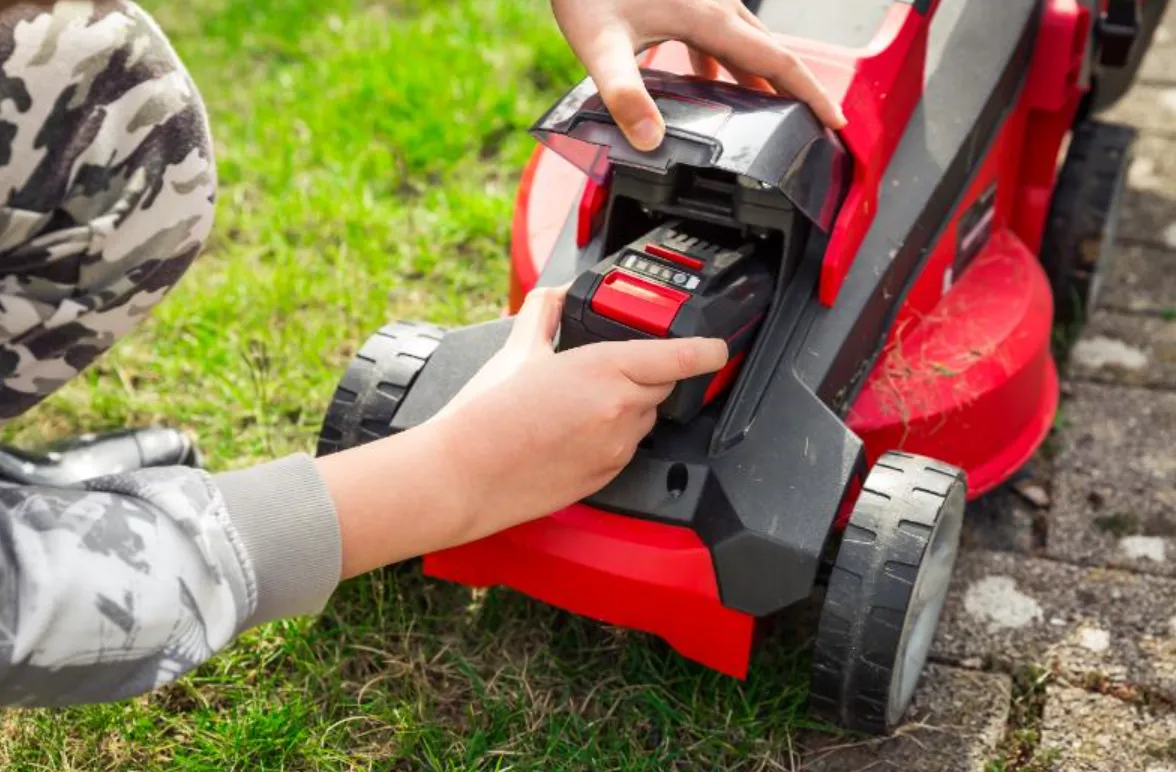
Battery-powered lawn equipment has transformed the way homeowners maintain their yards. Modern cordless mowers offer quieter operation, lower maintenance, and the convenience of push-button starts. Yet one question I hear repeatedly after more than 15 years of working with outdoor power equipment is: “Why doesn’t my lawn mower battery last as long as it used to?”
The answer is rarely the battery alone. Runtime and charging efficiency depend on a combination of mowing habits, weather conditions, battery care, and equipment maintenance. If you’re investing in replacement lawn mower battery systems or looking to extend the life of your existing batteries, understanding these factors can save money while keeping your mower performing at its best.
This guide explains what influences battery performance, how to improve charging efficiency, and the maintenance habits that help maximize battery lifespan.
Why Lawn Mower Battery Performance Changes Over Time
Lithium-ion batteries are remarkably durable, but like all rechargeable batteries, they gradually lose capacity through normal use.
Several factors contribute to this process:
- Charging frequency
- Heat exposure
- Storage conditions
- Mowing workload
- Battery age
- Maintenance practices
Most homeowners won’t notice significant changes during the first few seasons if batteries are properly maintained. Problems usually arise when poor charging habits or unfavorable storage conditions accelerate wear.
How Grass Conditions Affect Battery Runtime
Many people assume battery runtime depends only on battery size, but the lawn itself plays an equally important role.
Dense, wet, or overgrown grass requires considerably more power than dry, regularly maintained turf.
Battery consumption increases when mowing:
- Tall grass
- Damp lawns
- Thick weeds
- Uneven terrain
- Hills and slopes
- Areas with heavy leaf buildup
One practical lesson I’ve learned is that mowing more frequently actually conserves battery power because the mower works less aggressively during each session.
Battery Capacity vs. Battery Efficiency
A higher amp-hour (Ah) rating generally provides longer runtime, but capacity alone doesn’t guarantee better performance.
Battery efficiency also depends on:
- Motor design
- Blade sharpness
- Terrain
- Cutting height
- Ambient temperature
For example, a well-maintained mower with sharp blades may complete the same yard using less battery power than an identical mower equipped with dull blades.
Temperature Has a Bigger Impact Than Most Owners Realize
Lithium-ion batteries perform best within moderate temperature ranges.
Hot Weather
High temperatures can:
- Increase battery stress
- Reduce charging efficiency
- Accelerate long-term degradation
Cold Weather
Cold temperatures often:
- Reduce available runtime
- Slow charging speed
- Temporarily decrease power output
Whenever possible, charge and store batteries indoors where temperatures remain relatively stable.
Charging Habits That Extend Battery Life
One of the biggest misconceptions is that batteries should always be fully depleted before charging.
Modern lithium-ion batteries actually perform better when they’re recharged before reaching extremely low charge levels.
For optimal performance:
- Allow batteries to cool before charging.
- Use the manufacturer’s recommended charger.
- Avoid leaving batteries on the charger indefinitely if not designed for long-term maintenance charging.
- Keep charging contacts clean.
- Store partially charged batteries during long off-season periods.
These simple habits can significantly improve battery longevity.
Why Blade Maintenance Improves Battery Efficiency
A sharp mower blade isn’t just better for your lawn—it also reduces battery demand.
Sharp blades:
- Cut grass cleanly
- Reduce motor resistance
- Improve mowing efficiency
- Extend runtime
- Promote healthier turf
Dull blades force the motor to work harder, consuming more energy with every pass.
Sharpening blades at least once each mowing season—or more frequently for larger properties—helps maximize battery performance.
Lawn Mower Battery vs. Gas Engine Efficiency
Understanding the differences helps homeowners choose the right equipment.
| Feature | Battery-Powered Mower | Gas-Powered Mower |
| Starting | Push-button | Pull-start |
| Maintenance | Low | Higher |
| Noise | Lower | Higher |
| Fuel Source | Rechargeable battery | Gasoline |
| Routine Costs | Electricity | Fuel, oil, filters |
| Emissions | None during operation | Engine exhaust |
While gas mowers can refuel quickly, battery-powered models provide lower ongoing maintenance and quieter operation for most residential lawns.
How to Maximize Charging Efficiency Throughout the Season
Follow these best practices to keep your battery performing consistently:
- Mow regularly to reduce motor workload.
- Keep mower blades sharp.
- Charge batteries indoors after they’ve cooled.
- Avoid storing batteries in direct sunlight.
- Clean battery terminals periodically.
- Rotate between multiple batteries if maintaining larger properties.
These simple habits reduce unnecessary stress while improving long-term performance.
Common Mistakes That Shorten Battery Life
Over the years, I’ve noticed several recurring mistakes that unnecessarily reduce battery lifespan.
Avoid these habits:
- Leaving batteries in extremely hot garages.
- Charging immediately after heavy use while still hot.
- Storing batteries fully discharged for long periods.
- Ignoring damaged chargers.
- Allowing grass buildup to overload the mower deck.
- Using incompatible chargers.
Small maintenance decisions often make a significant difference over several years of ownership.
Expert Tips for Getting the Most From Every Charge
If maximizing runtime is your goal, these practical habits consistently deliver results:
- Raise the cutting height slightly during peak summer growth.
- Mow when grass is dry.
- Remove heavy debris before mowing.
- Keep tire pressure consistent on self-propelled models.
- Store batteries in a clean, dry environment.
- Check battery contacts for corrosion or dirt before installation.
These adjustments reduce unnecessary power consumption while improving mowing performance.
Trusted Resources for Battery Safety and Lawn Care
For additional information on battery safety and environmentally responsible lawn maintenance, consult these trusted organizations:
- U.S. Environmental Protection Agency (EPA): https://www.epa.gov
- U.S. Department of Energy – Office of Energy Efficiency & Renewable Energy: https://www.energy.gov/eere
These organizations provide science-based guidance on battery technologies, energy efficiency, and sustainable outdoor equipment practices.
Frequently Asked Questions
How long does a lawn mower battery typically last?
Most high-quality lithium-ion lawn mower batteries provide several years of reliable service, depending on charging habits, storage conditions, and frequency of use.
Does mowing tall grass reduce battery runtime?
Yes. Thick or overgrown grass requires more motor power, increasing battery consumption and reducing overall runtime.
Should I fully drain my battery before charging?
No. Modern lithium-ion batteries generally perform better when recharged before becoming completely depleted.
Can hot weather damage my lawn mower battery?
Extended exposure to high temperatures can reduce battery efficiency and shorten overall lifespan. Store batteries indoors whenever practical.
Does a dull mower blade affect battery life?
Absolutely. Dull blades force the motor to work harder, increasing energy consumption and reducing runtime.
Final Thoughts
Getting the best performance from a lawn mower battery isn’t simply about buying the highest-capacity model. Charging habits, mowing conditions, blade maintenance, storage practices, and temperature all play important roles in determining how long a battery lasts and how efficiently it performs.
By mowing regularly, maintaining sharp blades, using the correct charger, and storing batteries properly, homeowners can extend battery life while enjoying more consistent runtime throughout the mowing season. A few preventative maintenance habits today can translate into years of dependable performance and fewer battery replacements in the future.