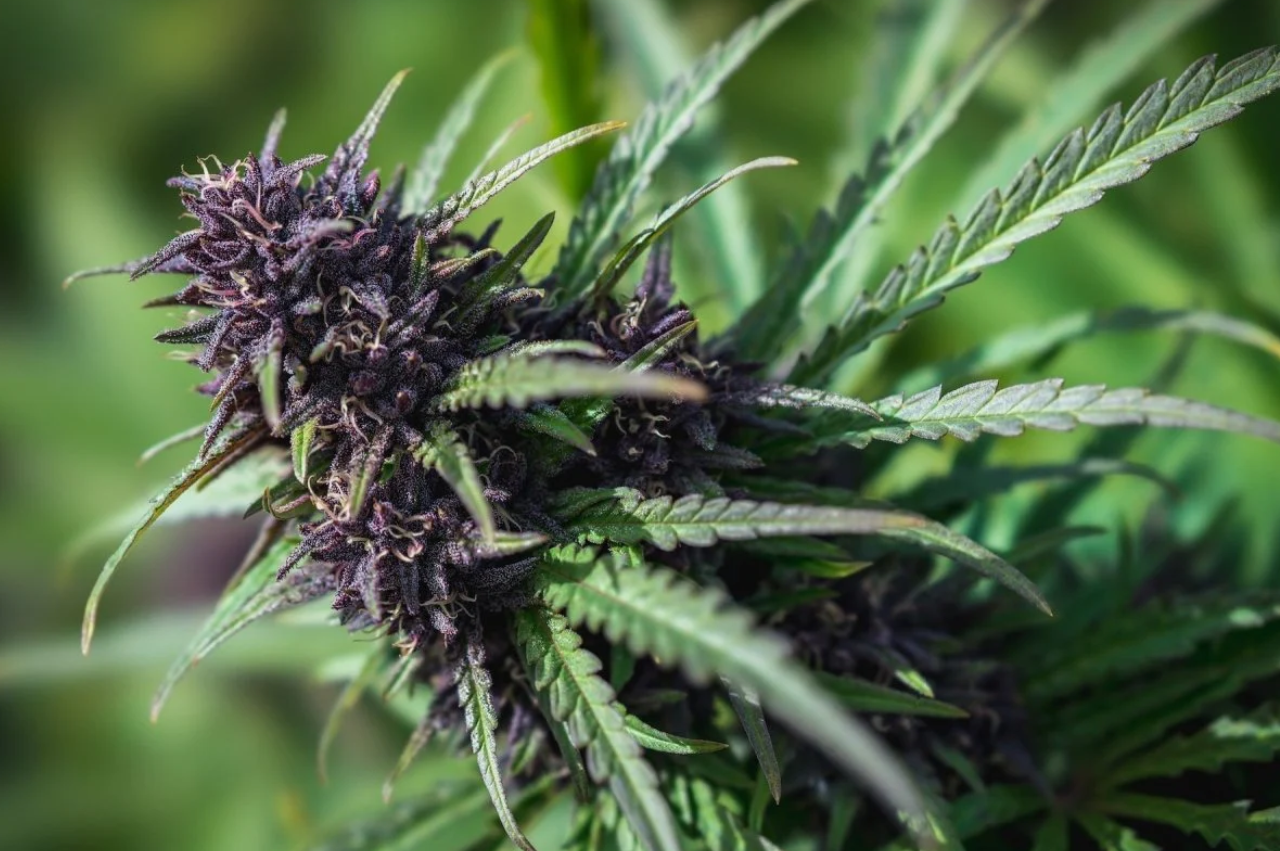
THCA flower has gained attention for how it fits between hemp and traditional cannabis. It looks and smells like regular marijuana, yet its chemistry and legal definition set it apart. THCA flower stands out because it offers the natural qualities of cannabis while remaining classified as federally legal hemp.
As interest in hemp products grows, more people want to understand what sets THCA flower apart from other hemp varieties. Its legal status, natural makeup, and effects before and after heating make it unique in the cannabis market. This article explores what truly defines THCA flower and why its differences matter.
Legal Status: THCA flower contains less than 0.3% Delta 9 THC before heating, making it federally legal hemp, unlike regular cannabis flower.
THCA flower qualifies as hemp under federal law because it contains less than 0.3% Delta 9 THC by dry weight. This definition comes from the 2018 Farm Bill, which separates hemp from marijuana based on THC levels. Only Delta 9 THC counts toward this limit, not THCA in its raw form.
Many people choose to order THCa for sale from Puffy because it offers the benefits of a cannabis product that meets federal hemp standards. Retailers can sell it across state lines, although some states have stricter total THC rules that include THCA after conversion. Buyers should review local laws before making a purchase.
Unlike regular cannabis flower, THCA flower does not cause intoxication until heated. Once warmed, THCA converts into THC, which produces the familiar psychoactive effects associated with marijuana. This chemical change explains the legal distinction between THCA hemp and traditional cannabis.
Chemical Composition: THCA flower primarily contains tetrahydrocannabinolic acid (THCA), which converts to psychoactive THC when heated
THCA flower contains high levels of tetrahydrocannabinolic acid, a natural compound found in raw cannabis and hemp plants. This acidic form of THC occurs before the plant undergoes heat or aging processes. It remains non-psychoactive in its natural state.
The structure of THCA includes an extra carboxyl group that keeps it from binding strongly to cannabinoid receptors in the brain. As a result, users do not feel intoxicated from consuming raw or unheated THCA flower. This chemical distinction sets it apart from products that already contain delta-9 THC.
Through a process called decarboxylation, heat removes the acid group from THCA and turns it into THC. This change happens during smoking, vaping, or cooking. Therefore, THCA flower can act as either a non-intoxicating raw product or a source of psychoactive THC once exposed to heat.
Natural vs Infused: THCA flower is natural and not chemically infused, distinguishing it from Delta-8 infused products.
THCA flower grows directly from hemp or cannabis plants without chemical changes after harvest. It keeps the plant’s natural profile, which includes cannabinoids, terpenes, and other plant compounds. Growers focus on careful cultivation and curing to preserve its purity and potency.
Delta-8 flower differs because it involves an added process. Manufacturers usually spray or coat regular hemp flower with Delta-8 THC extracted from other cannabinoids. This step changes the flower’s chemical makeup and can affect quality, consistency, and safety.
Natural THCA flower appeals to users who want an unaltered product. Because it forms naturally in the plant, it does not rely on artificial conversion or additives. As a result, THCA flower offers a more straightforward representation of the plant’s original state while Delta-8 infused flower represents a modified version. Each product serves a different purpose, but they clearly come from different production methods.
Consumption Effects: THCA flower is non-intoxicating until decarboxylated by heat, unlike THC flower which is psychoactive immediately
THCA flower contains tetrahydrocannabinolic acid, a compound that does not produce a high in its raw form. It stays non-intoxicating because its chemical structure prevents it from binding to the brain receptors that cause psychoactive effects.
Heat causes a change known as decarboxylation. During this process, THCA loses a carboxyl group and turns into delta-9 THC. As a result, smoking, vaping, or baking THCA flower creates the same intoxicating effects that people associate with regular cannabis.
In its raw form, THCA may appeal to people who want to use hemp without feeling intoxicated. Some consumers use unheated THCA flower for its potential natural benefits, although most evidence is still limited. However, once heat transforms it into THC, its effects shift to those typical of marijuana products, such as altered mood, perception, and coordination.
Cultivation Method: THCA flower is bred to maintain hemp legality while optimizing cannabinoid content, different from traditional cannabis breeding
Growers breed THCA hemp flower to meet federal standards for hemp while developing higher levels of THCA. The plants must stay under 0.3% delta-9 THC by dry weight, which keeps them legal under the Farm Bill. This process calls for careful genetic selection to balance legal compliance with strong cannabinoid expression.
Unlike traditional cannabis grown for psychoactive THC, THCA hemp cultivars focus on preserving cannabinoids in their raw acidic form. Farmers manage growing conditions such as light, nutrients, and temperature to support THCA development without triggering excess THC.
Producers also control harvest timing and drying methods to prevent THCA from converting into THC. Each step, from seed selection to processing, aims to maintain the plant’s chemical stability. As a result, THCA flower remains legally classified as hemp while retaining the appearance and aroma many associate with high-grade cannabis.
Conclusion
THCA flower stands apart from other hemp flower mainly because of its chemical makeup and how heat changes it. It contains tetrahydrocannabinolic acid (THCA), which turns into THC through heat exposure, producing effects that regular hemp flower does not.
Other hemp varieties usually contain higher amounts of CBD and very small traces of THC. This means they do not create a psychoactive response. In contrast, THCA flower can act much like traditional cannabis once decarboxylated, depending on the temperature and method of use.
Legality also separates THCA flower from standard hemp products. Market classification often depends on lab testing and how the product is labeled under the Farm Bill. Therefore, consumers should stay aware of the laws in their state before purchasing.
In summary, THCA flower combines hemp’s legal origins with the potential potency of cannabis. Its composition, effects, and legal status make it a distinct category within the hemp market.