
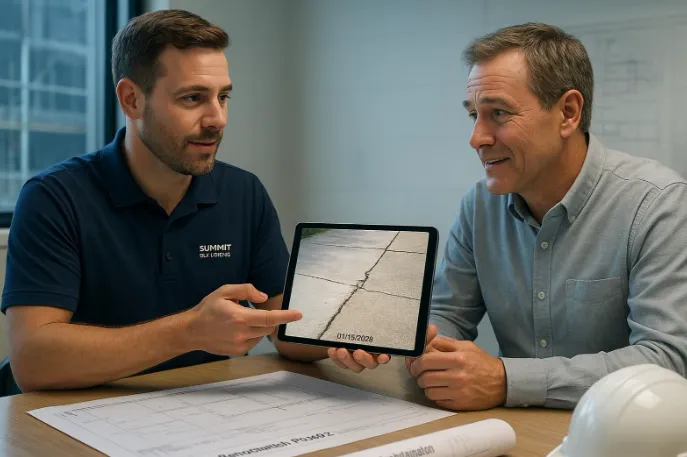
Timely and detailed photo documentation on jobsites is one of the strongest protections for a project’s money, legal safety, and daily operations. By creating a clear visual record of work completed, these photos answer the key questions of “who, what, when, and where,” cutting down on risks that cost the global construction industry trillions of dollars each year.
In a field where only about 36% of companies last beyond five years, having a clear, time-stamped record of progress can be the difference between a profitable finish and a costly legal battle.
Good documentation does more than protect you from problems. It connects the field and the office, helping everyone stay on the same page without constant, disruptive site visits. When teams prioritize construction documentation photography, they are not just snapping photos; they are producing useful information for the business.
This level of clarity supports better decisions, faster payments, and a large drop in expensive rework that often hits projects that are not closely tracked.
What Is Photo Documentation on Jobsites?
Jobsite photo documentation is the organized use of clear, high-quality images to show how a project changes from the start of work to final completion. It is not just a random set of pictures on a foreman’s phone. It is a planned process of photographing work in progress, material deliveries, and site conditions to build a permanent, searchable visual record. This creates a “digital memory” for the project, so teams can go back to any date and see exactly what was happening on site.
Today, this often involves professional cameras, 360-degree cameras, or drones to give a full view of the jobsite. These images are usually added to daily field reports, turning long, subjective write-ups into clear visual proof of what was done. Whether it is an excavation crew showing soil conditions or a solar company confirming roof integrity, the goal is to provide a visual story that calms client worries and proves that the work was done correctly.
What Counts as Timely and Detailed Documentation?
Timely documentation means taking photos often enough to match how quickly the job is moving. Some companies only take photos every two weeks, but the most effective teams document weekly or even daily. This pace matters because construction changes fast. Important work-like plumbing, electrical rough-ins, or under-slab systems-can be covered up by drywall or concrete in just a few days. If a mistake is found in week eight but the next photos are not taken until week ten, the cost of tearing out finished work to fix the issue can skyrocket.
Detailed documentation is about the quality and context of the images. Detailed records use high-resolution, clear photos that show the truth of what is on site. They go beyond wide “progress” shots and include close-ups of important parts, equipment serial numbers, and “before-and-after” sequences. To be truly useful, these photos need metadata like GPS location and automatic time stamps, so the evidence holds up in court or during payment disputes.
Why Timely and Detailed Photo Documentation Matters on Jobsites
Improves Transparency and Accountability
Photo documentation supports an open, honest way of working where everyone — from the site foreman to a distant investor — can make decisions based on current, real-world information.
With a clear visual timeline, contractors can show clients concrete proof that a project is moving toward its deadlines. This visibility builds trust because stakeholders can see progress for themselves instead of relying only on verbal updates or long written reports.
It also boosts accountability among trades. When crews know their work is being recorded with clear images, they are more likely to keep quality high. Photo records also help show which subcontractor did what, and when.
If a problem comes up, the right trade can be identified and held responsible, rather than the entire project team taking the blame for delays or defects. For more insights on visual marketing and project documentation, check out https://builtfor.studio/.
Increases Quality Control and Reduces Rework
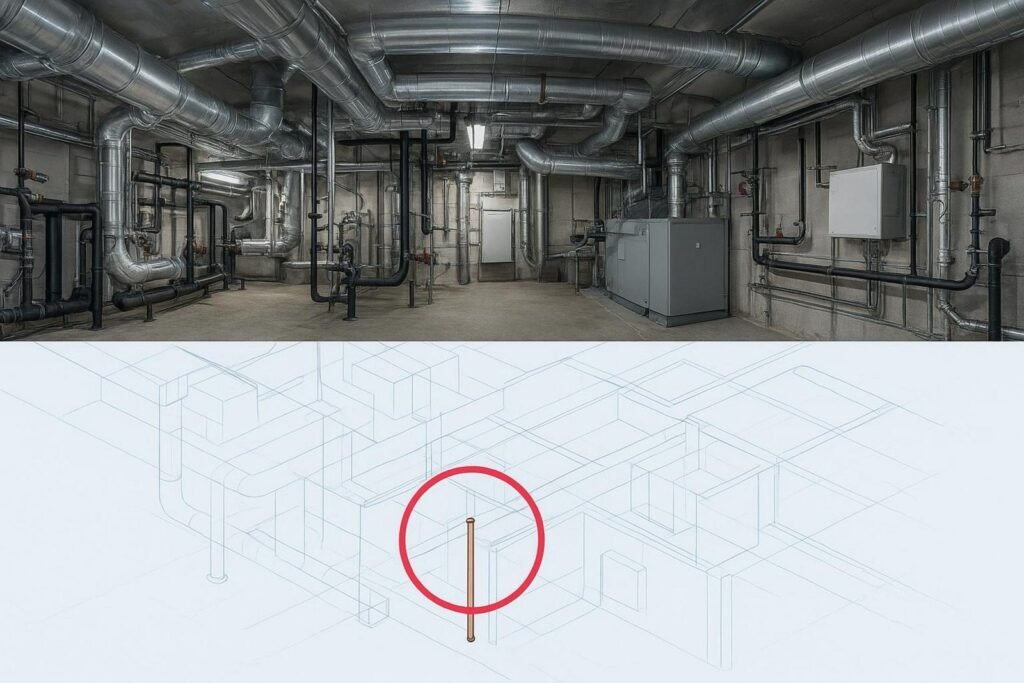
Strong photo documentation is a key part of modern quality control. By capturing each important stage of construction, project managers can spot issues before they grow into major problems. For example, comparing a 360-degree image of a mechanical room with the original plans can reveal misplaced ductwork, conduit, or piping early on. Finding these issues before walls are closed saves the cost of fixing hidden mistakes later.
Rework can eat up as much as 10% of a project’s total value, which is a serious hit to profit. Ongoing documentation makes it easier to create visual punch lists and assign fixes to the right people. This keeps work aligned with design standards at each step and cuts down on long, expensive inspection reports near the end of the job.
Improves Communication Among Stakeholders
Construction often suffers from a communication gap between people in the field and people in the office. Photo documentation helps close that gap by letting project managers, engineers, and architects “visit” the site virtually. This means fewer in-person site visits, which saves time and reduces interruptions to the work. With cloud-based tools, stakeholders can see up-to-date images from any device, so everyone relies on the same information.
When plans change-which happens often in construction-photo documentation shows exactly where, when, and how the changes were made. This real-time view speeds up decisions. Instead of waiting for a weekly meeting to discuss a problem, a foreman can take a photo, add notes or highlights, and send it to the engineer or architect for quick input, keeping the project moving.
Provides Legal Protection and Dispute Resolution
In a field full of legal risks and potential claims, photo documentation is often the first line of defense. The HKA CRUX 2025 Insight Report shows that the average construction dispute costs almost $86 million and extends a schedule by nearly two-thirds. A solid photo timeline with geo-tagged, time-stamped images gives the clear evidence needed to settle arguments faster. When conflicts come up, the team with the better records usually has the advantage.
Photo records also help protect against claims of damage to surrounding property or pre-existing site conditions. By photographing the site and nearby areas before work starts, a contractor can prove things like cracked sidewalks or broken fences were there before. This level of detail helps protect the company’s reputation and profit from being drained by unfair claims.
Documents Safety and Risk Management Efforts
Construction sites are naturally risky. Photo documentation helps safety staff see whether crews are following safety rules and using the equipment provided. By reviewing images, they can spot unsafe conditions and correct them before someone gets hurt. This is not just about enforcement; it also creates a record of safety steps that can be important during inspections by regulators.
Photos of safety measures-such as material storage, guardrails, signage, and barriers-help lower overall project risk. If an incident happens, records of conditions leading up to it can be extremely important for insurance claims and internal reviews. They show an ongoing commitment to worker safety and provide information that can be used in future safety training.
What Are the Risks of Poor or Delayed Photo Documentation?
Higher Likelihood of Disputes and Litigation
Weak or missing jobsite documentation leaves a company open to major liability. Without strong visual proof, disagreements over quality or completion can quickly turn into expensive arguments with no clear answer. Without evidence, contractors may end up paying for damage they did not cause or doing free rework just to keep a client happy and avoid going to court.
Lack of documentation also makes it harder to respond to claims from subcontractors or other third parties. If a subcontractor says they did work they skipped, and there are no photos to show what really happened, the general contractor might pay twice for the same task. In one real example, a customer saved $90,000 simply by using photos to prove a subcontractor had billed for work they had not done.
Lost or Inaccurate Records of Jobsite Progress
When teams delay documentation or store it poorly, important details are eventually lost. Relying on “messy notes” or someone’s memory is risky. If progress is not recorded as it happens, teams are left guessing where underground lines or in-wall systems are once everything is covered. This guesswork causes delays when later trades need to know where pipes, wires, or junctions are located.
A random pile of unlabeled photos-the “shoebox of pictures” approach-is almost as bad as having no photos. If a project manager spends hours hunting through hundreds of images to find one detail from months ago, that time is expensive. Poor records lead to unclear communication and can stall a project while people wait for answers.
Potential Compliance and Regulatory Failures
Many infrastructure projects, especially those funded by programs like the IIJA, have strict reporting and documentation rules. Weak photo documentation can cause a project to miss these standards, leading to fines or lost chances to win future work. Studies by transportation agencies show that technology-based inspection programs are quickly becoming the new normal for staying compliant.
Insurance companies often want proof of certain site conditions or safety steps before they will provide coverage or pay claims. Without prompt photo records, a company might lose coverage or have a valid claim denied because they cannot show they were following policy rules at the time of an incident.
What Should Be Captured in Jobsite Photo Documentation?
Preconstruction Conditions and Site Assessments
The first stage of documentation should create a starting point for the whole project. This means taking wide shots of the jobsite, nearby properties, sidewalks, and streets. Capturing existing damage protects the team from future blame. Photos should also show utility markings and property lines, so everyone starts with a clear understanding of where they can and cannot work.
Teams should also photograph site access points and planned material staging areas. For solar or roofing work, this stage should include clear images of all roof surfaces and interior framing, such as rafters, to confirm structural strength before adding extra weight. Once this baseline is set, any changes to the site during construction can be tracked and explained accurately.
Key Milestones and Build Phases
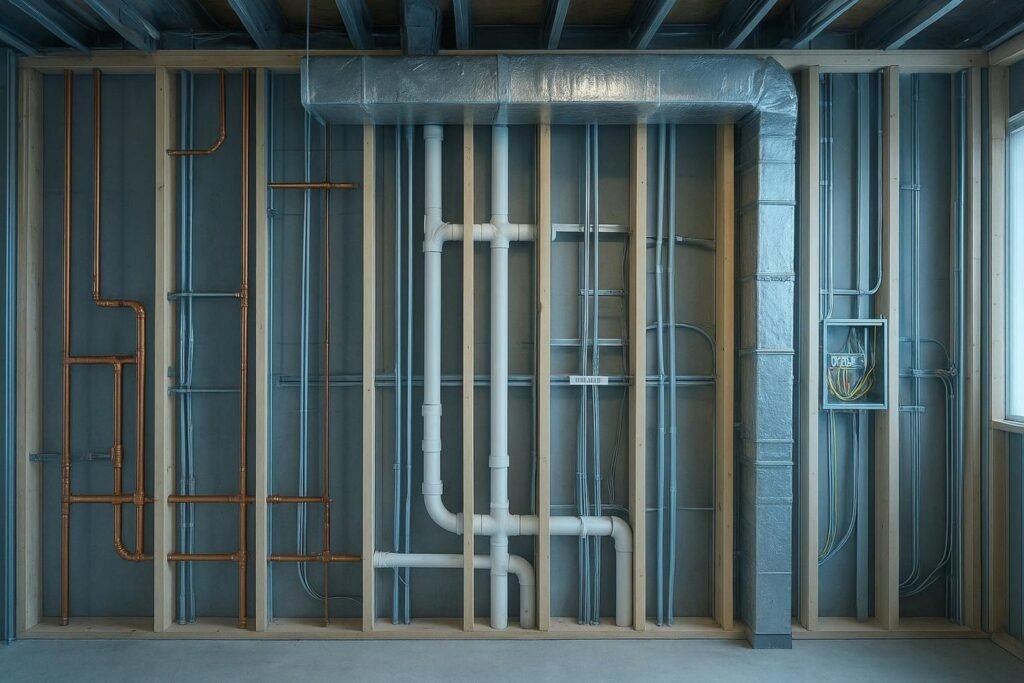
As the job moves forward, the focus should shift to work that will later be hidden. This includes foundations and under-slab work like plumbing, electrical runs, and rebar before concrete is poured. Capturing these hidden elements helps future maintenance and shows that the work was done to code. In-wall MEP rough-ins and structural framing also need to be recorded before insulation and drywall are installed.
Milestone photos should also cover the installation of waterproofing, weather barriers, and flashing. These parts are common sources of leaks and later rework if they are not done correctly. With photo records of these steps, the team can show inspectors and owners that critical work was done properly at the right time.
Safety Hazards and Corrective Actions
A strong documentation plan includes taking photos of safety hazards as soon as they are found. This proves the team is serious about safety and creates a clear record of how each issue was fixed. For example, if an open trench is not shored correctly, staff should photograph the hazard and then take follow-up photos after proper shoring or barriers are installed.
Recording these “near misses” and the fixes is a valuable tool for managing risk. It helps the company spot patterns and decide where more training is needed. If OSHA or another agency inspects the site, a well-kept safety photo log can be a powerful part of the company’s response.
Completed Work and Close-Out Evidence
The final documentation stage is close-out, which forms the core of the turnover package for the owner. This should include “before-and-after” photos to show that all punch list items are complete. It is also the time to record the final condition of all installed systems and equipment. Close-up shots of serial numbers and warranty labels give the owner a full digital record of building systems.
The condition of the site after cleanup should also be photographed, including landscaping, grading, and drainage. Clear images of all main utility shut-offs-water, gas, power-are key for future building operations. This final record confirms that the project finished in a clean, professional way and leaves the client with a strong set of reference materials.
How To Keep Jobsite Photo Documentation Effective and Consistent
Setting a Clear Documentation Process
Inconsistent habits are the enemy of good photo records. To keep documentation useful, companies need to move away from random photo taking and use a clear system. This starts with standard field reports and digital forms that tell crews exactly what to photograph. Configurable templates help make sure every worker records the same core details on every job.
A clear process also sets rules for where photos are stored. Keeping all images in a single, cloud-based system removes scattered files and creates one trusted source of truth. The system should sort photos automatically by project, date, and location so office staff can access them quickly. When this is automated, field crews spend less time managing files and more time building.
Training Teams on Documentation Best Practices
Even the best software cannot fix bad habits in the field. Crews need training on both the reason behind documentation and the right way to do it. This includes how to take useful photos: in focus, well lit, and framed so the main subject is clear. Training should also cover how to use markups and notes on images to point out details or problems.
Support materials like eBooks or short guides help build consistent habits. When crews see that photo documentation helps them-by cutting time on paperwork and protecting them from unfair blame-they are far more likely to use it. Spot checks by project managers can keep standards high and give chances for feedback and coaching.
Assigning Roles for Consistent Coverage
Documentation should be planned, not left to chance. Assigning roles makes sure nothing is missed. For example, a foreman may handle daily progress photos, while a safety officer records hazards and safety measures. On large projects, some companies bring in independent photo services to provide an outside view and extra credibility.
Sharing the responsibility makes the job less heavy for any one person. It also captures more viewpoints, from broad project progress to detailed trade-specific work. Working together in this way produces a richer historical record that helps everyone involved in the project.
What Technologies and Tools Support Jobsite Photo Documentation?
Mobile Apps and Cloud-Based Platforms
The most widely used tools for jobsite documentation are mobile apps built for construction work. These apps let crews take photos with phones or tablets and upload them straight to a cloud system. Real-time syncing gives office staff an immediate view of jobsite conditions, allowing quicker decisions and better remote teamwork.
Cloud platforms like CM Fusion, Raken, or SiteCapture go beyond simple storage. They provide structure and organization. Features like automatic tags, GPS data, and offline access help keep documentation going even when the site has poor internet. These tools turn random photos into usable project data that can be searched and shared in seconds.
360-Degree Cameras, Drones, and Advanced Reality Capture
For a fuller view of the site, many teams now use 360-degree cameras. These devices capture entire rooms or areas in a few shots, letting stakeholders do “virtual walkthroughs” from anywhere. This can cut inspection time and gives more detail than standard 2D photos. Some providers let users open these walkthroughs on any device with a web connection.
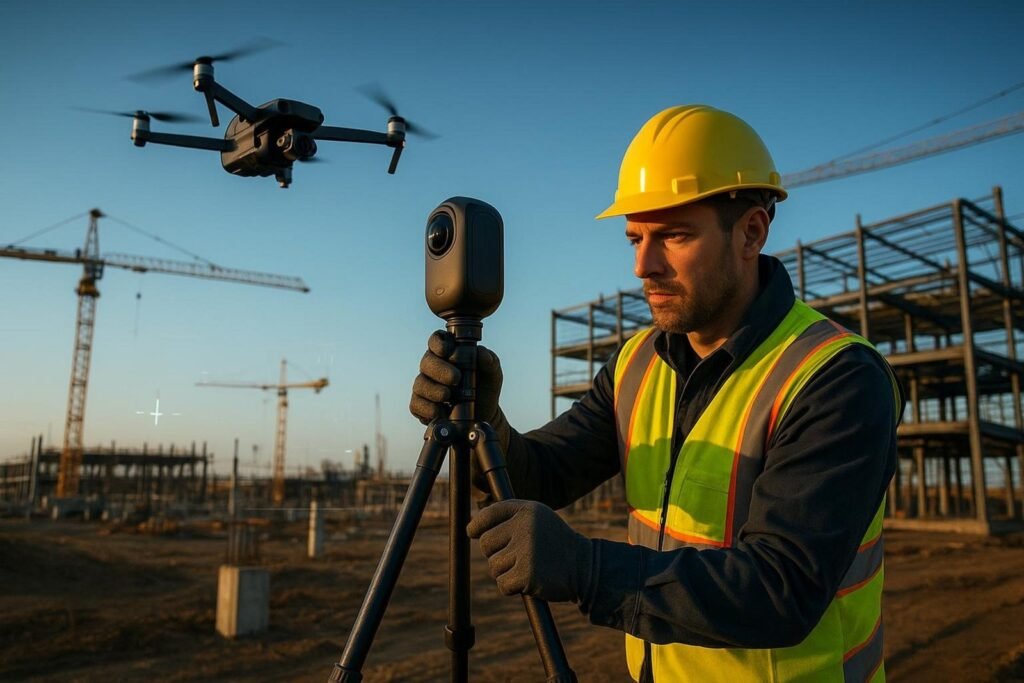
Drones and aerial photos are very helpful on large projects like subdivisions, industrial plants, or office parks. They easily track grading, paving, roofing, and overall layout. Beyond drones, tools like laser scanners and mobile robots (for example, Boston Dynamics’ Spot) are being used to create accurate 3D point clouds and automate progress tracking on complex sites.
Key Features To Look for in Documentation Software
When choosing documentation software, some features are must-haves for professional construction use. Automatic time stamps and location tags are key for legal and dispute situations, because they lock in when and where each photo was taken. The option to mark up photos with arrows, notes, and highlights is also very helpful for explaining issues.
Integration with other project tools is another major factor. Strong software connects photos with RFIs, punch lists, schedules, and BIM models, so images always appear with the right background information. It should also provide secure, large-capacity cloud storage and automatic reporting so you can easily share progress with owners, lenders, and investors.
Does Photo Documentation Offer a Return on Investment?
Reducing Site Visits and Operational Costs
Photo documentation creates real financial savings. When stakeholders can check progress remotely, companies can cut down on in-person site visits. In the solar sector, missing photos often mean sending a truck back to the site, which costs about $475 per trip. For a company handling 60 jobs a year, good documentation can save more than $17,000 yearly just by avoiding these extra visits.
Construction managers gain even more. Studies show the average manager wastes over 13 hours per week on low-value tasks like sorting messy notes or driving between sites. With centralized documentation, much of this time can be reclaimed, saving a firm around $36,000 per year in management costs. Photo documentation is not just “nice to have”; it directly supports stronger profits.
Preventing Costly Mistakes and Speeding up Project Timelines
Catching mistakes early is one of the biggest financial benefits. Rework can use up around 10% of a project’s value. On a multi-million-dollar job, spotting a plumbing or electrical error before a pour or before walls are closed can save tens of thousands in demolition and rebuild costs. By finding problems sooner, projects are more likely to stay on schedule and avoid penalties for delays.
Photo documentation also helps speed up billing. Clear visual proof that certain milestones are complete lets contractors submit payment requests sooner. This keeps cash flow steady, which is critical in a low-margin industry. Getting paid on time and avoiding unexpected costs can give a business a strong advantage over competitors.
Frequently Asked Questions About Jobsite Photo Documentation
Is photo documentation required for construction projects?
Photo documentation is not always a legal requirement on every private job, but it is increasingly required by government agencies, insurers, and sophisticated owners. Even when it is not written into a contract, it is widely seen as a best practice and a core part of modern risk control. Given how many construction businesses fail, many professionals treat photo documentation as a basic survival tool.
In many situations, the “requirement” shows up once there is a dispute. Without photos, a contractor may find it impossible to prove they met the contract terms, leading to delayed or withheld payments. So while you may not need photos to start a job, you will very likely need them to finish it profitably and avoid serious legal trouble.
What makes a photo suitable for documentation?
A good documentation photo clearly shows the subject and enough of the surroundings to make sense later. It should be sharp, properly exposed, and reflect the true condition of the site. A strong photo tells the whole story-for instance, if you are documenting framing, the image should show the overall work plus close-ups of any special connections or areas of concern.
Metadata also matters. A high-quality photo without a date, time, or location is less valuable in a dispute or legal review. For professional use, each image should live in a system where its project, location, and phase are stored and easy to search.
What happens if projects are not properly photo documented?
Projects with poor or missing documentation face a much higher risk of losing money to rework and unresolved arguments. When issues show up-like leaks, cracks, or other defects-lack of “as-built” photos means teams must guess what is behind walls or under slabs, often leading to destructive testing and higher repair costs. This confusion can slow or stop a project while people argue about who is responsible.
Over time, weak documentation also harms the company’s reputation. Today’s clients expect transparency, and failing to provide it makes repeat work less likely. In the worst case, a company may lose a lawsuit simply because it has no evidence to back up its side, leading to large payouts that can threaten the business.
Key Takeaways on Timely and Detailed Jobsite Photo Documentation
Moving from random, scattered photos to a planned, regular photo documentation system can change a construction business for the better. It is a smart investment that pays off through less rework, faster conflict resolution, and clearer communication with all parties. By using mobile apps, 360 cameras, and cloud storage, teams can build a single, trusted record that protects both the project and the company’s profit.
Effective documentation means having the right photos, organized and easy to find exactly when they are needed. From early site assessments to final close-out packages, each image adds another layer of protection against the risks built into construction. In a fast-paced market, companies that manage visual documentation well are not just running jobsites-they are raising the bar for professional, profitable, and safe project delivery.
As AI and machine learning continue to improve, the photo data collected today will grow in value, supporting automatic progress tracking and better business insights. By building strong documentation habits now, construction firms prepare for a future where digital records are central to project success. The peace of mind that comes from having a clear, permanent record of the entire job may be the greatest benefit of all.