
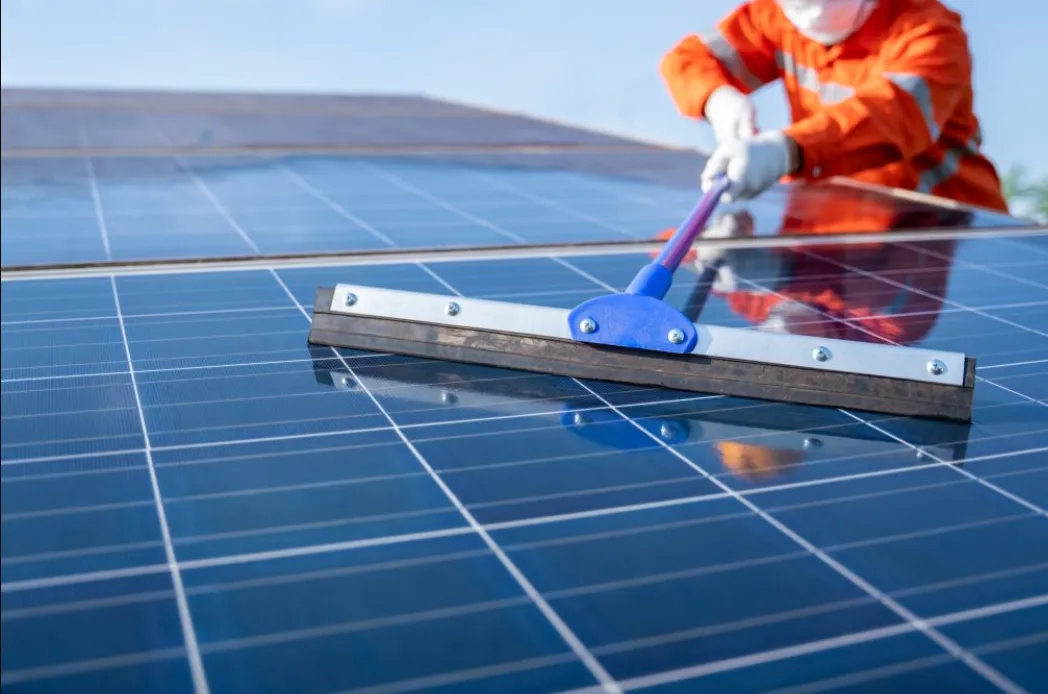
Clean panels help commercial systems stay productive, yet many Maui companies wonder when maintenance should happen. Salt air, busy properties, and island weather each play a part in how quickly grime builds. Service timing becomes easier to plan once these elements are understood.
A schedule shaped around real onsite conditions works far better than a fixed calendar. Many property managers look for practical ways to maintain performance, and solar maintenance in Maui, Hawaii, becomes much simpler when tied to common issues that affect panel clarity.
Salt Buildup That Reduces Light Absorption
Coastal breeze carries salt that settles on panels throughout the year. It forms a faint film that dulls the glass and restricts sunlight. Roofs near the shoreline experience this faster since wind currents push particles inland. Cleaning removes this layer and restores brightness.
As salt crystals accumulate, they scatter light and create uneven spots. These small patches interfere with energy flow over time. Businesses near beaches benefit from seasonal appointments so surfaces stay clear. Regular service also helps protect the panel coating.
Dust Layers That Dull The Surface
Dry stretches across the island leave airborne dust drifting across rooftops. This dust settles into a thin coat that reduces clarity. Properties near fields, open parking areas, or construction zones notice this sooner. A scheduled cleaning removes these layers before they thicken.
Light rain spreads dust into streaks rather than removing it. These streaks cause shadows across the cells. Cleaning after dusty periods helps maintain consistent output and prevents small particles from bonding to the glass.
Pollen And Plant Debris That Stick To Panels
Island vegetation in Maui releases pollen during warm seasons, and this pollen clings to glass surfaces. It creates a sticky film that holds more debris over time. Areas near dense greenery experience this each year as breezes move particles around the property. Cleaning clears this residue and restores panel clarity.
Plant fragments, tiny leaves, and seed pods land on panels as well. These items trap moisture during cooler nights and leave faint marks. A simple seasonal appointment keeps these surfaces clean so sunlight reaches every cell evenly.
Water Spots And Mineral Marks After Rain
Heavy downpours lift loose material but leave mineral spots when the water dries. These marks scatter sunlight and create uneven patches. Businesses in high rainfall zones see this effect after every storm cycle. Timely cleaning removes these spots before they settle into a harder film.
Mist and gentle showers offer partial rinsing, although they rarely handle stubborn residue. The moisture mixes with dust and salt, forming light streaks across the surface. A professional rinse after extended wet periods keeps panels smooth and clear.
Bird Droppings And Rooftop Activity That Obstruct Panels
Bird droppings create direct blockages that reduce energy production. These spots also heat the cells underneath more quickly. Properties near food courts, coastal cliffs, or large trees see this pattern throughout the year. Cleaning removes these dense patches and protects the cells from strain.
General rooftop activity in Maui can leave residue from maintenance work, foot traffic, or storage of temporary equipment. These materials create smudges that limit sunlight during peak hours. A routine inspection with planned cleaning dates helps keep surfaces free from these marks.
Solar maintenance in Maui, Hawaii, supports clear panels and steady production across commercial properties. Salt, dust, pollen, water spots, and droppings each influence how quickly surfaces lose clarity. A service that matches these common issues gives businesses predictable performance through the seasons. Property managers gain reliable output as each cleaning solves a specific on-site problem. This simple approach protects the investment and promotes a smooth experience for any company that relies on its solar system.